
Shelter Days: Survival
Germer StudioStrategy
4.345.00 Reviews
- Version
- 7.0.286
- Installs
- 100.00K
- Age Rating
- Teen
Screenshots
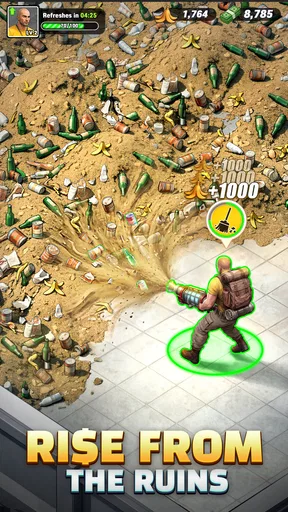
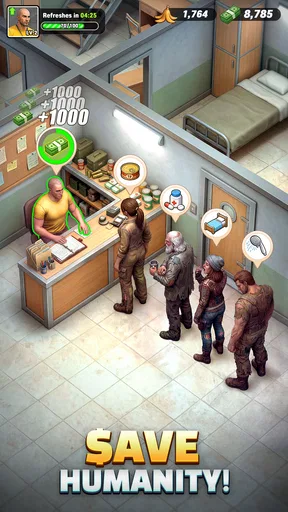
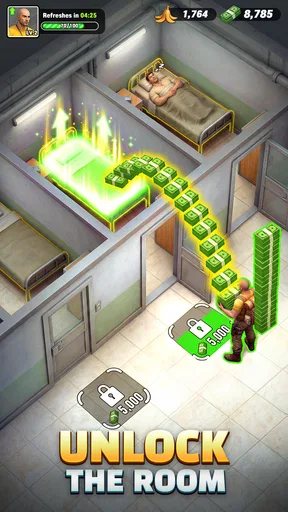
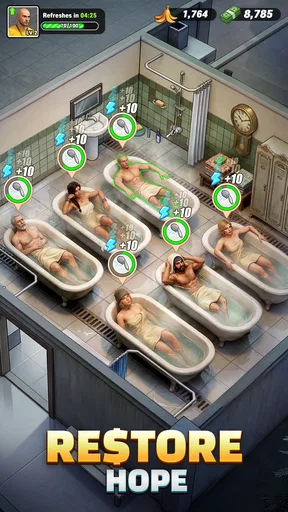
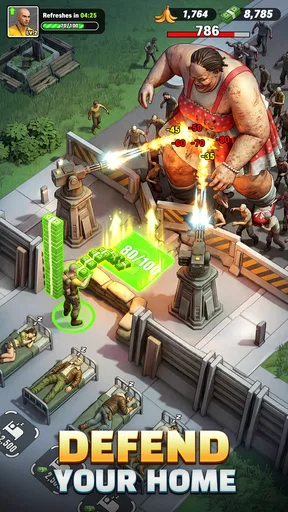
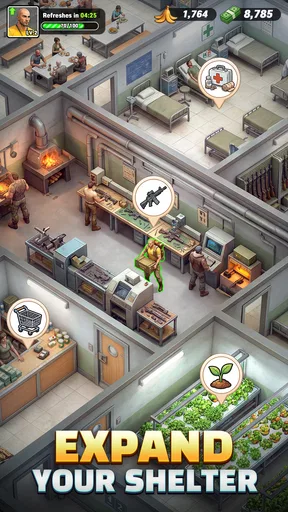
Our Review of Shelter Days: Survival
 Analysis by Appyee
Shelter Days: Survival is the kind of strategy game I would approach with a notebook nearby, not because it is difficult to start, but because survival decisions become easier when I can see how one choice affects the next. The central idea is straightforward: build and manage a shelter in a world where keeping people, supplies, and plans under control matters. In practice, the appeal comes from deciding what deserves attention first and accepting that every improvement has an opportunity cost.
I found the game most interesting when I stopped treating the shelter as a construction project and started treating it as a living system. A new improvement may look useful, but it can also compete with another need. That makes the experience a better fit for players who enjoy planning, gradual progress, and adjusting after a mistake than for anyone looking for instant action. It is free to start, and its Teen content rating suggests that it is aimed at an older audience than a simple child-friendly builder.
Why the first decisions can feel less clear than expected
The opening minutes of a survival strategy game often create a false sense of simplicity. You see a shelter, a few available actions, and a broad objective. The temptation is to improve whatever is immediately visible. My advice is to pause before spending resources and ask what the improvement changes in the next few decisions. A shelter that looks stronger on paper can still leave you short of the thing needed to keep moving.
This is the first place where players may get stuck: they focus on the most attractive upgrade instead of the bottleneck. If progress slows, I would look for the resource, task, or requirement that is blocking several other actions. Solving that bottleneck usually creates more momentum than spreading small improvements across everything. This is a useful habit in survival strategy games, but it matters especially here because the shelter is both the setting and the management problem.
Another source of friction is changing direction too often. I had better results when I chose a short-term priority, followed it long enough to see the effect, and only then revised the plan. Constantly switching between construction, stockpiling, and general improvement makes it harder to understand what caused a setback. A simple mental rule helps: make one meaningful change, observe the result, and avoid blaming the last action automatically.
The game also rewards reading the situation rather than clicking through every available option. When several actions seem equally useful, I prefer the one that protects future choices. A flexible shelter is more valuable than a narrow gain if the next stage can demand a different kind of preparation. That is one of the less obvious lessons I took from playing: preserving options is often more important than maximizing one resource immediately.
Setup checks before blaming the game
Shelter Days: Survival comes from Germer Studio and is listed as a free game for Android devices running at least Android seven. That makes the entry barrier fairly low for people using an older compatible phone or tablet, although compatibility alone does not guarantee a smooth experience. Before deciding that the game is malfunctioning, I would close other demanding apps, restart the device, and make sure there is enough free storage for normal installation and updates.
The current version is 7.0.286, so checking that the installed build matches the current store version is a sensible first step when something behaves strangely. I would also use a stable connection during installation or updating, then reopen the game rather than repeatedly tapping the same action while a connection is uncertain. That basic sequence avoids a surprisingly common problem: assuming that an unfinished update or interrupted download is a gameplay failure.
There is another practical check that is easy to overlook. If the game feels slow, I would first test whether the problem appears only in a busy shelter or across the entire experience. A general slowdown points toward the device, background activity, heat, or storage pressure. A problem limited to one screen may be related to that particular transition or session. Separating those cases makes troubleshooting less frustrating and prevents unnecessary changes.
Because the game is free to download but includes optional purchases ranging from $0.99 to $199.99 per item, I would also decide in advance whether I want to spend anything. The wide range means a player should treat purchase prompts as part of the surrounding mobile-game experience, not as a reason to rush a decision. I prefer to play long enough to understand the normal rhythm before considering any paid shortcut. That gives me a clearer sense of whether the game is enjoyable on its own terms.
The Teen rating is also worth considering before installing it for someone younger. A rating is not a substitute for checking the device’s family settings or discussing purchases, but it is a useful signal that this is not positioned as a very young child’s game. For an adult or older teenager who enjoys resource management, that audience fit feels natural.
A calmer workflow for recovering from a bad run
When a shelter starts falling behind, my first response is not to rebuild everything. I retrace the last few decisions and identify the earliest point where the plan became unsustainable. Was I spending faster than I was preparing? Did I improve one area while neglecting the requirement that supported it? Did I react to a short-term problem by creating a longer-term shortage? These questions are more useful than simply labeling the run unlucky.
A practical recovery workflow begins with stabilization. I stop optional improvements, protect the most important available resources, and choose one immediate objective. The goal is not to make the shelter perfect; it is to make the next decision possible. Once the situation is stable, I resume development in small steps. This approach reduces the risk of using everything on a dramatic fix that leaves no room for the follow-up action.
One technique I found helpful was keeping a mental reserve. Instead of spending every available resource as soon as I could, I left enough flexibility for an unexpected requirement. That reserve may feel inefficient when progress is going well, but it becomes valuable after a mistake. In a management game, the best plan is not always the one with the fastest visible growth. Sometimes it is the one that survives an interruption.
I would also avoid judging a strategy from one failed attempt. If the same kind of shortage appears repeatedly, that is evidence that the overall workflow needs changing. If the problem happens once after an unusual sequence of choices, it may simply be a lesson. This distinction keeps the game from turning into a cycle of panic, restart, and repeated mistakes.
For players who like optimizing, I recommend testing one variable at a time. Change the order of two priorities, keep the rest of the approach similar, and compare how the shelter develops. You do not need a detailed spreadsheet to learn from the game. Even remembering which decision created breathing room can reveal more than blindly copying a supposed best route.
What to check when the game may not be the cause
Not every failed action is a software problem. A strategy game can reject or delay an action because the situation does not meet its requirements, because another task has to happen first, or because the player has misunderstood what the action affects. Before reinstalling, I would read the available wording carefully, check the resource balance, and try a smaller, clearly affordable action. If that works, the original issue was probably a planning or requirement problem rather than a broken installation.
Device conditions can be just as important. A phone that is hot, nearly full, or running many background processes may struggle with any game. I would let it cool, close unused apps, and try again after freeing some space. If other applications are also unstable, that is a strong sign to investigate the device rather than focusing only on Shelter Days: Survival.
Connection interruptions deserve separate attention. If an action appears to hang, I would avoid repeatedly submitting it. I would wait, confirm the connection, and reopen the game only when necessary. Repeated taps can make it harder to tell whether an action completed, especially in a game where the visible state may take a moment to catch up.
Purchases require the same patience. Since the game is free with optional in-app purchases, I would verify the account, connection, and device purchase settings before assuming that a transaction or prompt is a gameplay defect. I would never treat a purchase as a required emergency solution while the game is behaving unpredictably. First restore a stable session; then decide whether spending is worthwhile.
These checks are not exciting, but they protect the time invested in a shelter. I would also avoid uninstalling as a first reaction, because removing an app can complicate recovery if progress depends on the existing installation or account state. Restarting, updating, and testing a simple action are safer first steps.
How it compares with familiar strategy alternatives
Compared with a fast-paced tactics game, Shelter Days: Survival places more weight on gradual management. You are not choosing it for constant combat reactions or short bursts of spectacle. Its appeal is the slower question of how to keep a shelter functioning while preparing for what comes next. Players who enjoy watching a plan develop over time will likely get more from it than players who want every decision to produce an immediate dramatic payoff.
It also differs from a purely decorative building game. The shelter is not just a space to arrange for appearance; the survival framing makes efficiency and priorities matter. That gives the construction side more pressure, but it can also make experimentation feel less relaxed. If you want a peaceful builder where mistakes are mostly cosmetic, this may not be the better choice.
Against deeper strategy games designed around long sessions and extensive systems, this game is easier to approach. I can imagine using it in short visits: checking the shelter, making one or two deliberate decisions, and returning later. The trade-off is that players seeking highly detailed simulation may eventually want more complexity than a mobile-focused survival management game provides.
The strongest comparison is therefore about mood and commitment. Choose this one when you want a compact survival-management loop and enjoy improving a fragile plan. Choose a more action-heavy alternative when you want immediate control and faster feedback. Choose a larger simulation when you want layers of statistics and long-form planning above all else.
Who will enjoy the shelter most
I would recommend it to players who like turning limited resources into steady progress, especially those who enjoy learning from a failed plan instead of treating failure as wasted time. It is also suitable for someone who wants strategy that can be approached in manageable sessions rather than requiring constant attention. The free starting price makes it easy to test whether the rhythm suits you before spending anything.
It is less suitable for someone who dislikes waiting, resource trade-offs, or repeating a plan after discovering a mistake. If you want a game that explains every consequence immediately, the survival-management format may feel opaque. Likewise, anyone uncomfortable with optional purchase prompts should establish spending limits before playing, even though the core download costs nothing.
For a realistic everyday scenario, I could see opening it during a short break, checking what the shelter currently needs, and making one conservative improvement rather than trying to solve everything at once. Later, I would return with a clearer idea of whether that decision created a new opportunity or exposed a shortage. That pattern suits the game better than rushing through every available action while distracted.
A useful advanced habit is to keep a consistent priority order for ordinary sessions, then deliberately break it when the shelter presents a clear reason. That gives you a baseline for judging results. Without a baseline, every setback feels random. With one, you can tell whether a new approach actually helped or merely happened to coincide with a better situation.
My practical verdict after living with its friction
Shelter Days: Survival succeeds when I play it as a thoughtful management game rather than a checklist. Its strongest quality is the way a modest shelter can turn into a chain of decisions about timing, reserves, and recovery. The experience asks me to plan ahead, but it also rewards flexibility when the original plan stops working.
The friction is real. Early priorities may not be obvious, a failed run can feel costly, and technical-looking problems may actually come from requirements, device conditions, or an interrupted connection. Optional purchases also mean that I would approach the free-to-play structure deliberately instead of clicking through prompts. None of those points automatically disqualifies the game, but they shape who will enjoy it.
With an average rating of 4.3 from around one thousand ratings and more than one hundred thousand installs, it has clearly attracted a meaningful audience. Those figures do not replace personal taste, but they fit my impression that the game has a clear identity: a survival strategy experience for players who like building carefully, recovering from poor choices, and making progress without needing constant action.
My final recommendation is simple: try it if the idea of maintaining a vulnerable shelter sounds more appealing than commanding a battlefield or decorating a base. Give yourself time to learn the priorities, keep a reserve, and troubleshoot calmly before restarting. If that measured rhythm becomes satisfying, the game can provide a surprisingly absorbing routine. If you need immediate action, transparent systems, or a completely pressure-free builder, I would look elsewhere.
Verdict
Strengths of Shelter Days: Survival
- Simple survival mechanics are easy to understand from the first session.
- Scavenging gives each day a clear purpose and encourages careful planning.
- Shelter upgrades create a steady sense of progress over time.
- The post-apocalyptic setting adds tension without requiring complex controls.
- Short gameplay sessions suit quick play on mobile devices.
Limitations of Shelter Days: Survival
- Resource shortages can make later progress feel slow and repetitive.
- Random encounters may occasionally feel unfair or unpredictable.
- The limited variety of locations can reduce long-term exploration appeal.
- Some upgrades require considerable patience before their benefits are noticeable.
- The interface can feel cramped on smaller phone screens.
Similar Picks in This Category
View All
Clash of Clans
Supercell4.5

Plants vs. Zombies™
ELECTRONIC ARTS3.7

Lords Mobile: Kingdom Wars
IGG.COM4.5

Clash Royale
Supercell4.4

State.io — Conquer the World
CASUAL AZUR GAMES4.1

Car Driving School : Car Games
Spark Game Studios3.9
Frequently Asked Questions
What is Shelter Days: Survival about?
Shelter Days: Survival is a post-apocalyptic survival game focused on managing life inside and around a shelter. You must explore dangerous areas, search for useful supplies, craft equipment, improve your base, and make decisions that affect your chances of staying alive. The game combines resource management, exploration, crafting, and survival challenges rather than offering a simple action-only experience.
Is Shelter Days: Survival free to download and play?
Shelter Days: Survival can generally be downloaded for free, although availability and pricing may vary depending on the Android or iOS store and your region. As with many mobile survival games, optional in-app purchases may be included for extra resources, progression assistance, or other conveniences. Before downloading, check the store listing for current purchase details and whether an internet connection is required for specific features.
Does the game require an internet connection?
The need for an internet connection may depend on the version and feature being used. Core survival activities such as exploring, collecting materials, crafting, and managing the shelter may be designed for mobile play, but advertisements, cloud functions, updates, events, or account-related features can require connectivity. It is best to test the game offline after installation if playing without reliable mobile data is important to you.
Is Shelter Days: Survival suitable for beginners?
The game is approachable for newcomers, but it still expects you to learn several systems at once. Food, health, equipment durability, crafting materials, shelter improvements, and exploration risks all need attention. Beginners should avoid wasting rare resources, upgrade essential facilities early, and plan expeditions carefully. Players who enjoy gradual progression and experimenting with survival strategies should find the learning curve manageable.
What devices are needed to play Shelter Days: Survival smoothly?
Performance depends on the exact version of Shelter Days: Survival, your operating system, and the device’s available memory and processing power. Recent Android phones and iPhones should generally provide the best experience, while older or entry-level devices may experience longer loading times, reduced visual quality, or occasional slowdowns. Check the official store page for the latest compatibility requirements and keep sufficient storage free for updates.
Play our best games!


